Mustika Rasa Kini
ABOUT MUSTIKA RASA KINI
Inspired by the book Mustika Rasa, the MUSTIKA RASA KINI project was created based on intellectual property. This project will recount, research, and compare Indonesian food recipes in the Mustika Rasa book from the past to the present, while also serving as a catalog of Indonesian cuisine flavors in various forms of audio-visual displays, websites, applications, and workshop and seminar programs for a wide audience, especially the younger generation, to learn about and enjoy.
There are nine programs and derivative works to be carried out under the main umbrella of the Mustika Rasa Kini project. In collaboration with the Indonesian Ministry of Education, Culture, Research, and Technology, all nine Mustika Rasa Kini programs will discuss the major theme of National Food Sovereignty, which will be presented in a friendly, entertaining, informative, and educational manner to showcase the kitchen as the center of household sovereignty for the growth of a new generation that is healthy and independent for a better future for Indonesia.
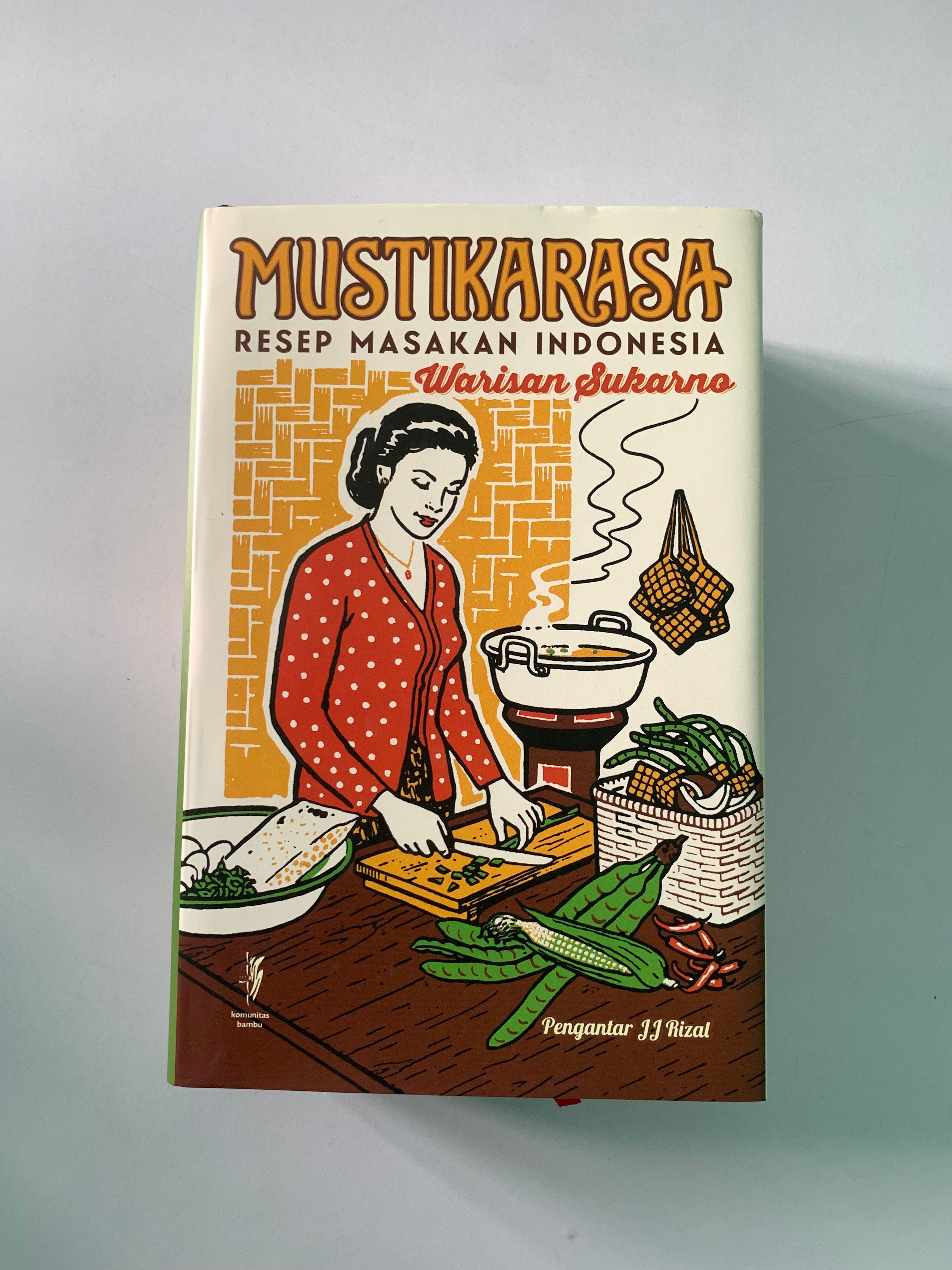
ABOUT MUSTIKA RASA BOOK
Mustikarasa is a collection of recipes from various regions in Indonesia, inherited from President Sukarno. This book was born from the idea of the Proclamator of the Republic of Indonesia, who was a food lover and believed that food was an important issue. It is no surprise that food became part of the political revolution that Sukarno had been promoting since the late 1950s. As president, Sukarno ordered the collection of as many Indonesian recipes as possible. This was not only to document and preserve Indonesia’s diverse culinary heritage, which is rich in cultural influences from its long history of encounters with various nations, but also as an effort to lay the foundation for food security policies.
A mega project team was formed to trace the culinary history of the archipelago and worked from 1960 to 1966. Sukarno was overthrown, but his vision was realized. More than 1,600 recipes are compiled in the 1,300 pages of this book. Ultimately, this book is not only the most comprehensive collection of Indonesian recipes and kitchen culture with their regions of origin, which is arguably unmatched to this day. Furthermore, this book is a historical artifact of the government’s serious involvement in food culture and food policy, which was largely ignored after Sukarno was overthrown.
MUSTIKA RASA KINI TEAM
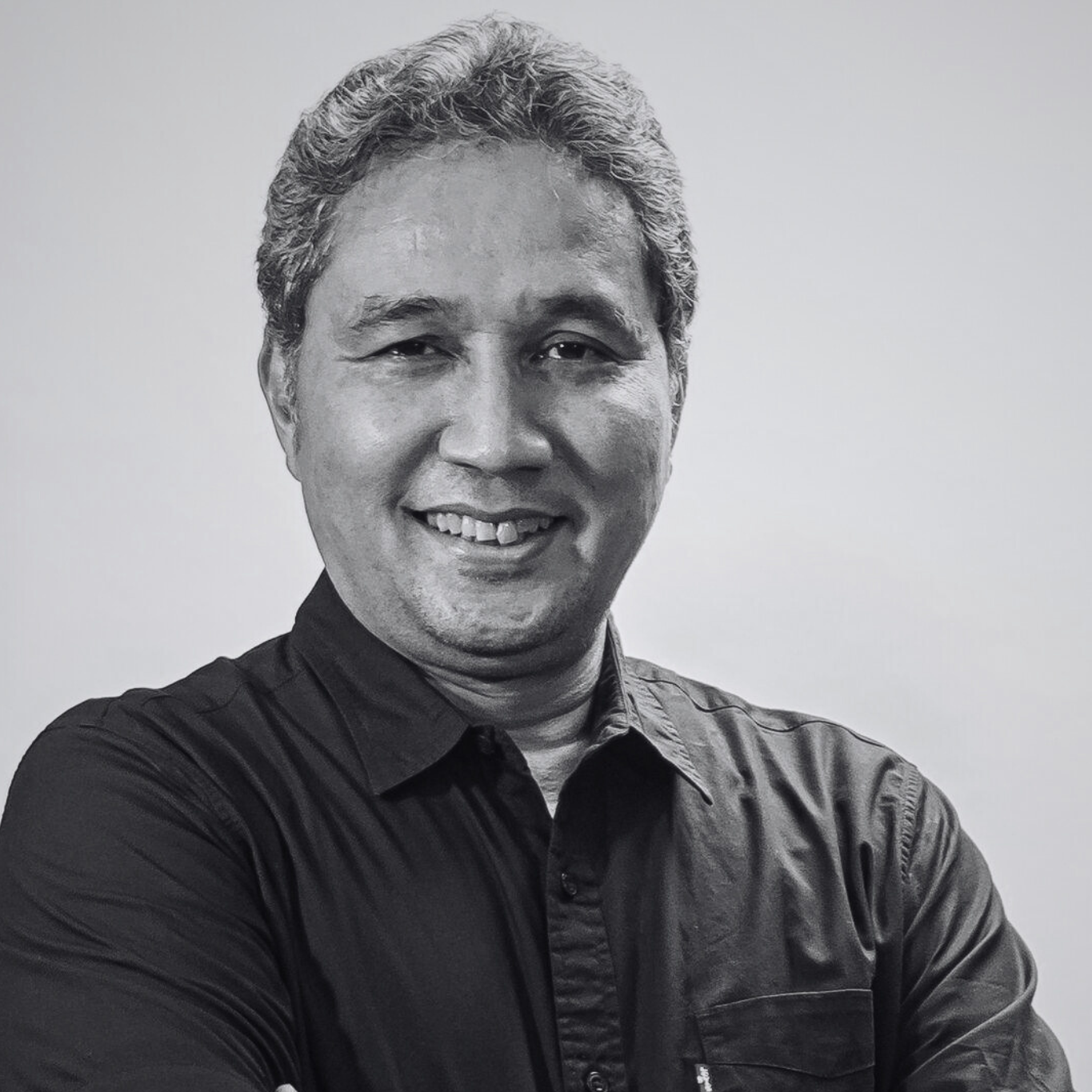
Hilmar Farid
Executive Producer
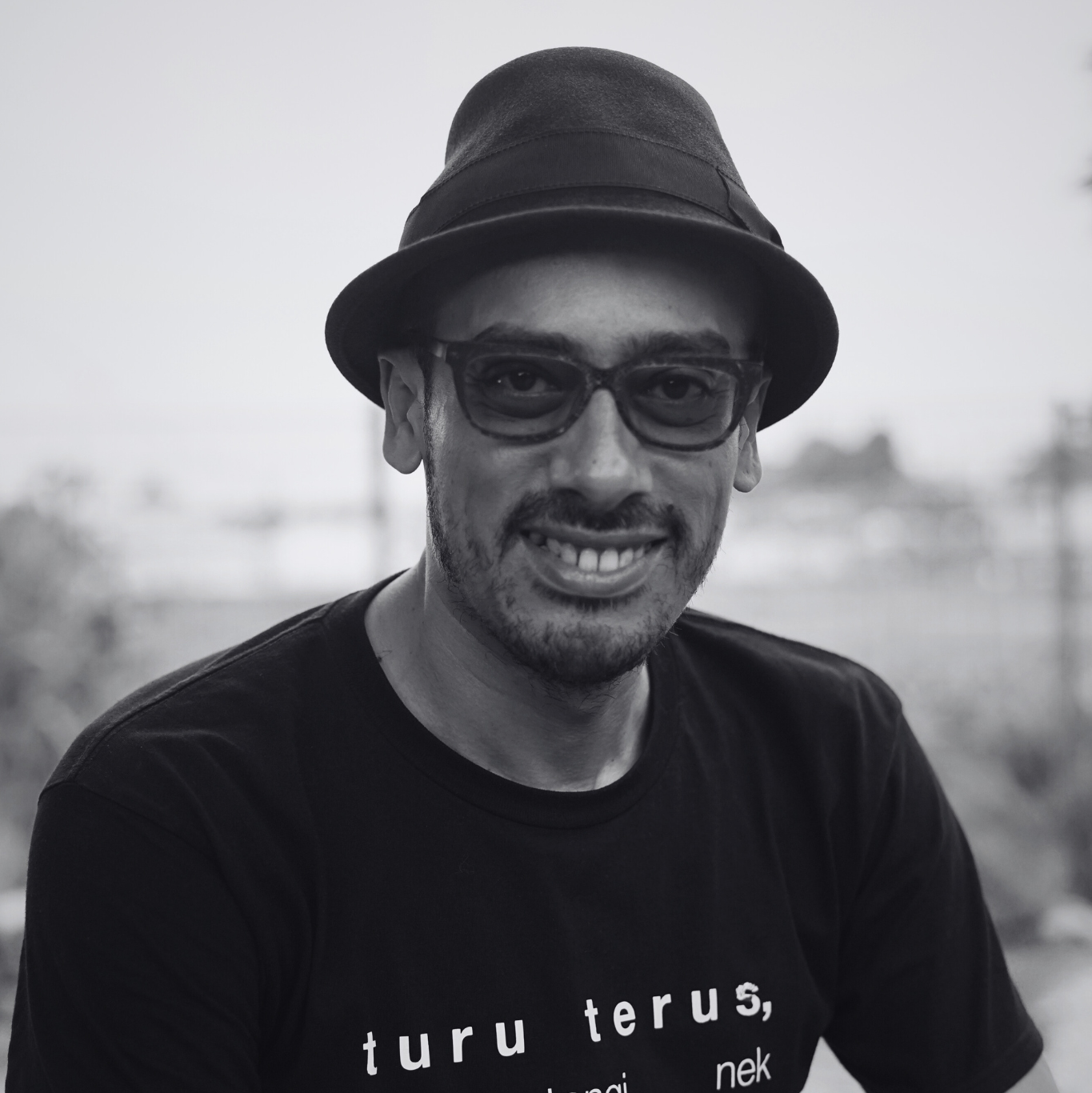
ismailBASBETH
Executive Producer
Imran Hasibuan
Executive Producer

Tedika Puri Amanda
Executive Producer
Ridlo Ameer
Executive Producer

Lyza Anggraheni
Producer
Darwin Nugraha
Series Director
JJ Rizal
Book Publisher Mustika Rasa

Lasja Susatyo
Film Director
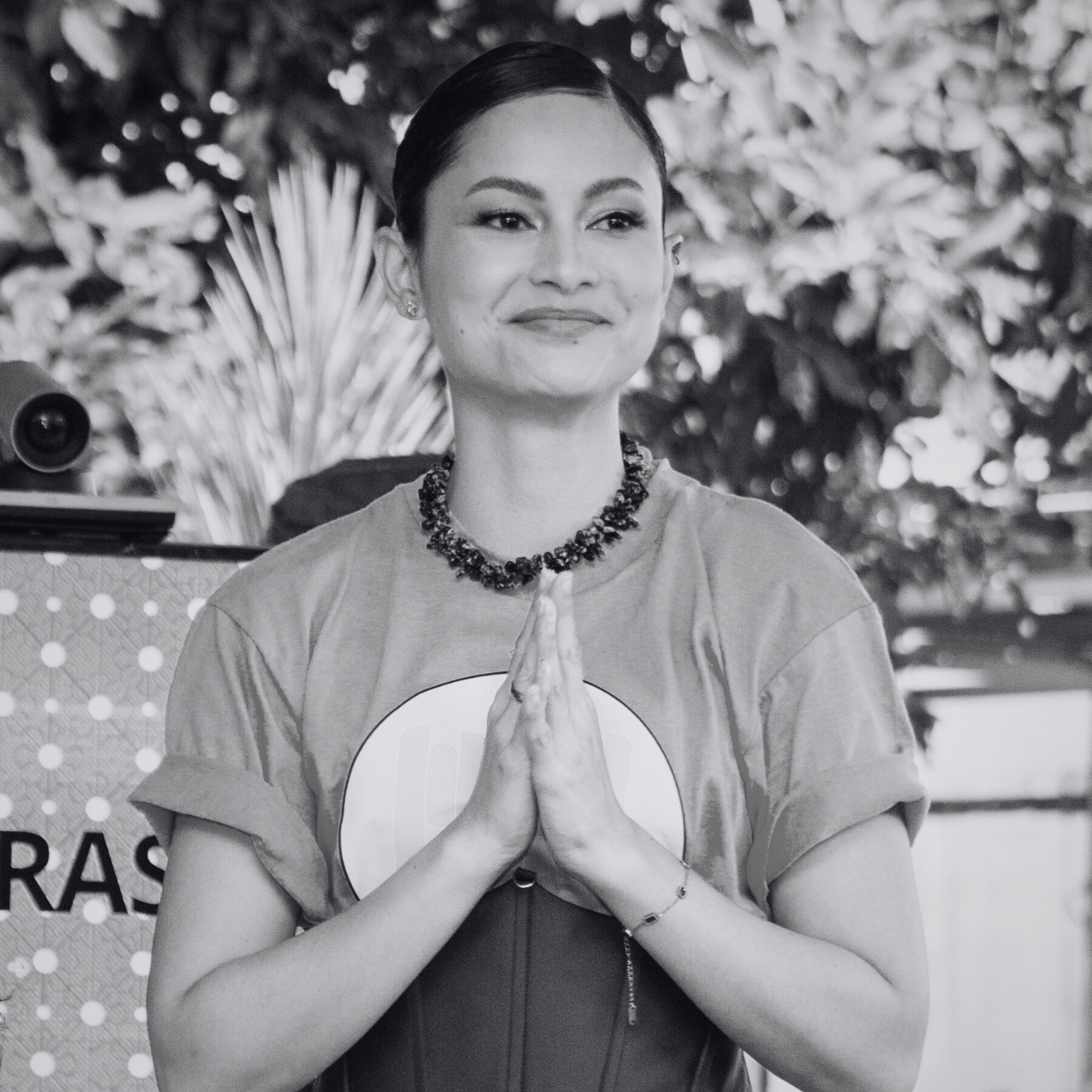
Clara Bernadeth
Brand Ambassador

Rizkie Nurindiani
Project Manager
MUSTIKA RASA KINI PROGRAM
1. New Edition of Mustika Rasa Book
Mustika Rasa Revised Edition – a follow-up program containing updated data and recipes from the previous Mustika Rasa book, which will be published together with the complete Mustika Rasa Kini process notes.
2. Website & Apps
Website & Application – a digital database of Indonesian recipes and foods with a public participation mechanism. The data will be updated regularly, with contributions from the public and experts from the regions where the recipes and foods originate. Synergistic with improvements to the Mustika Rasa book.
3. Event Activation
Event Activation & Socialization – 12 times a year, this program will collaborate with culinary and cultural events such as Borobudur Writer, Ubud Writer, etc. to promote Mustika Rasa Kini programs. It will send 2-3 representatives to attend each event.
4. Content
Content (Video, Audio, Podcast, etc.) – presents 24 episodes showing recipes from the previous Mustika Rasa book, collaborating with local communities concerned with food issues, and involving communities engaged in the audio-visual field through a collaboration system.
5. Brand Ambassador
Mustika Program Ambassador – Clara Bernadeth will represent the Mustika Rasa Kini project to communicate Mustika Rasa programs 12 times a year.
6. Documentary Series
Documentary Series – consisting of 8 episodes, each lasting 40-45 minutes, which will tell the history and origins of each selected recipe. The host will visit the place of origin of the selected recipes and meet with local maestros or experts who have mastered the recipes in the Mustika Rasa book.
7. Workshop
Workshops – 12 times a year, training programs in writing, arts, culture, and cooking, involving relevant institutions engaged in food sovereignty and supporting government agencies such as BPOM, etc.
8. Seminars
Seminars – 12 times a year, discussion programs that raise food sovereignty issues by inviting speakers and experts in the field of food sovereignty, such as the non-profit organizations Setara Jambi, CAPPA, WALHI, and others.
9. Film: The Unforgettable Flavours
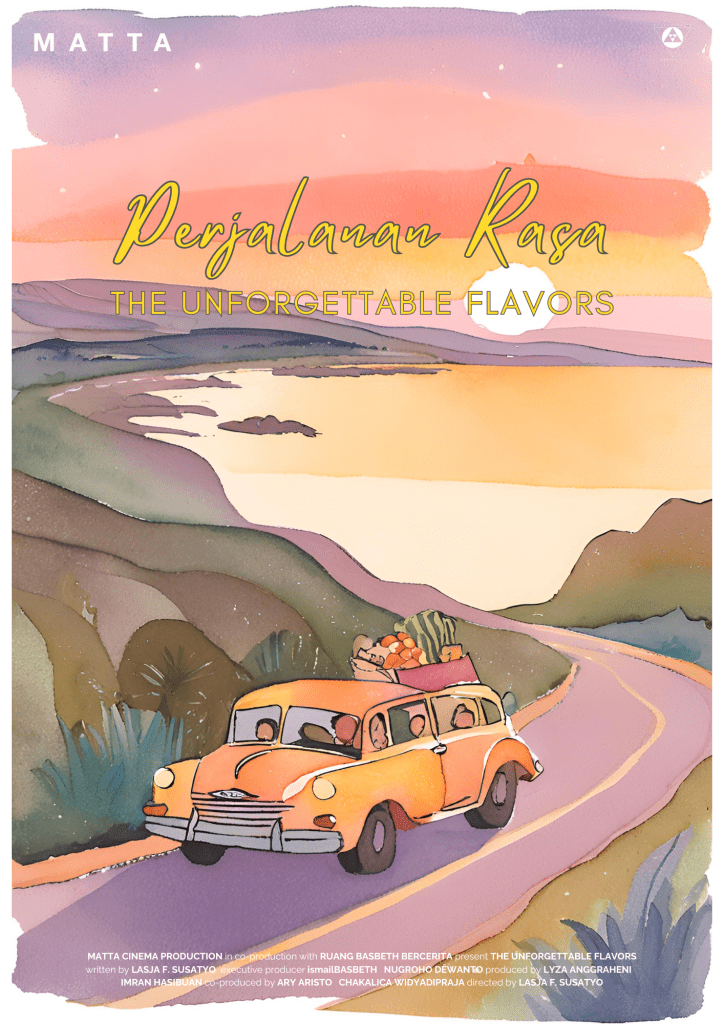
Inspired by the book Mustika Rasa, the Mustika Rasa Kini (MRK) project was created based on intellectual property (IP). This project will recount, research, and compare Indonesian food recipes in the Mustika Rasa book from the past to the present, while also serving as a catalog of Indonesian cuisine flavors in various forms of audio-visual presentations for the current generation to learn about and enjoy.
These formats include fiction films, documentary series, and video tutorials (content), with the possibility of developing them into other forms in the future.
The film PERJALANAN RASA is part of the IP development of the MRK Project, where Ruang Basbeth Bercerita, in partnership with the Indonesian Ministry of Education and Culture, collaborated with Matta Cinema to produce the film.
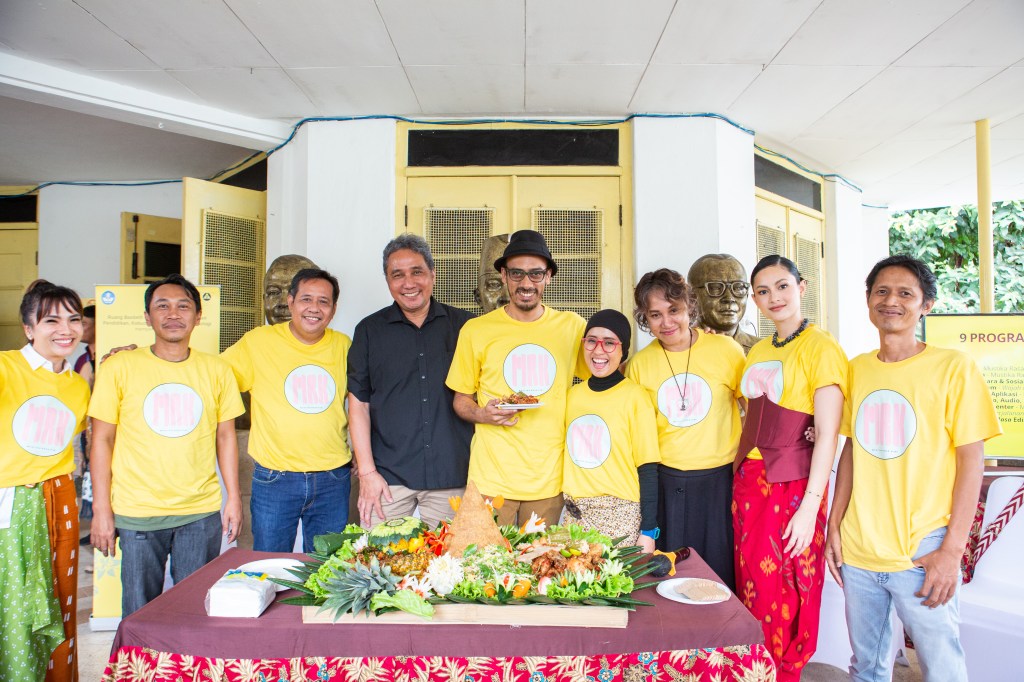
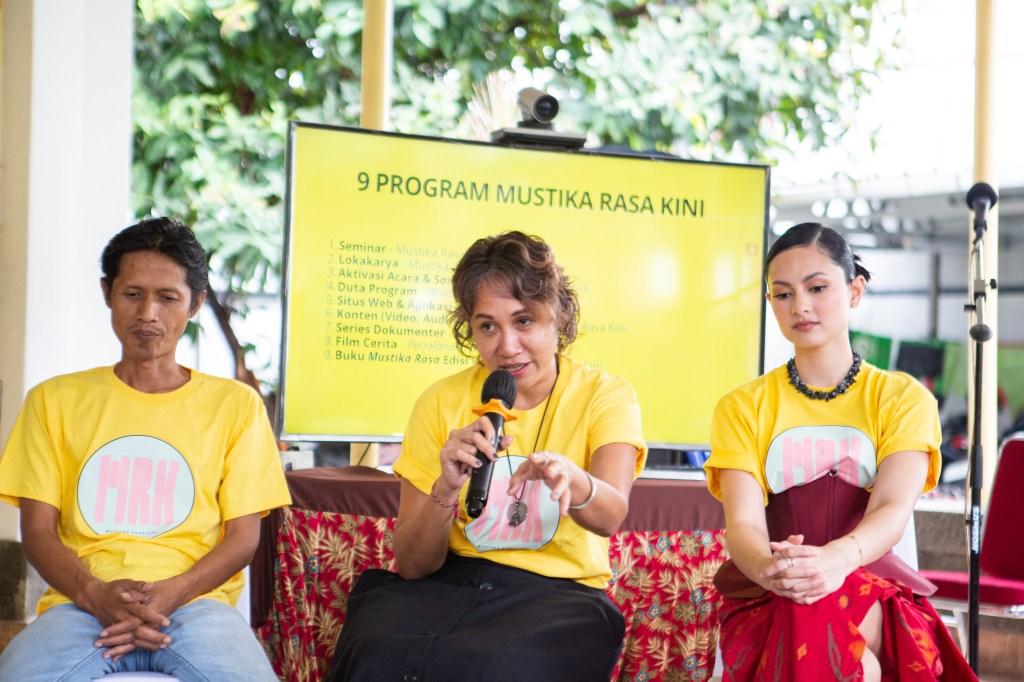
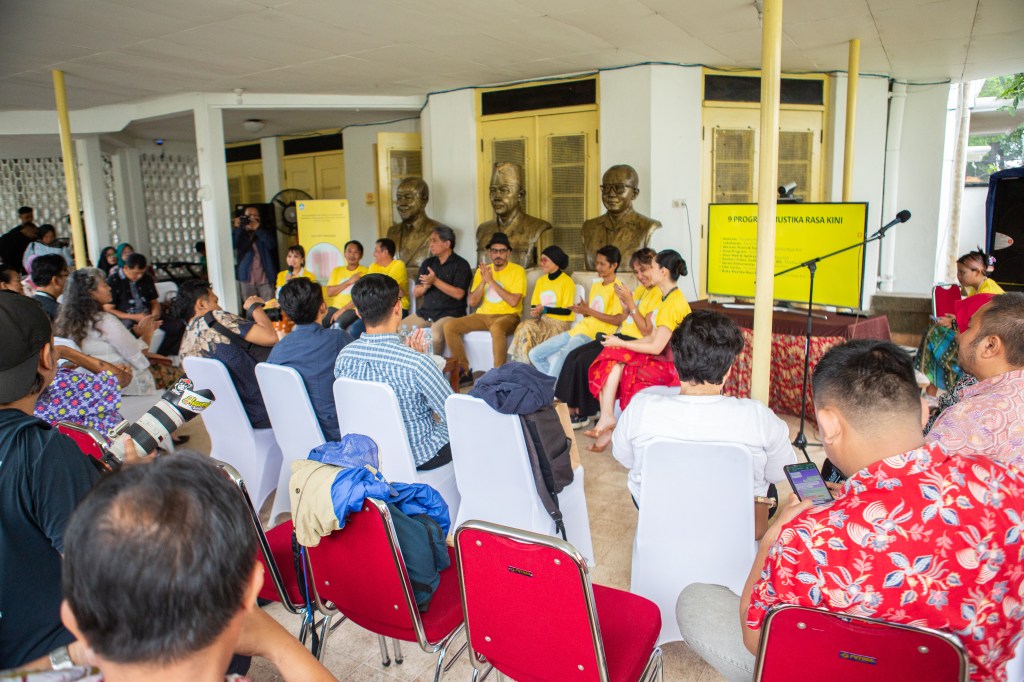
Kick Off at Museum Perumusan Naskah Proklamasi, Jakarta
Thursday, February 29th 2024

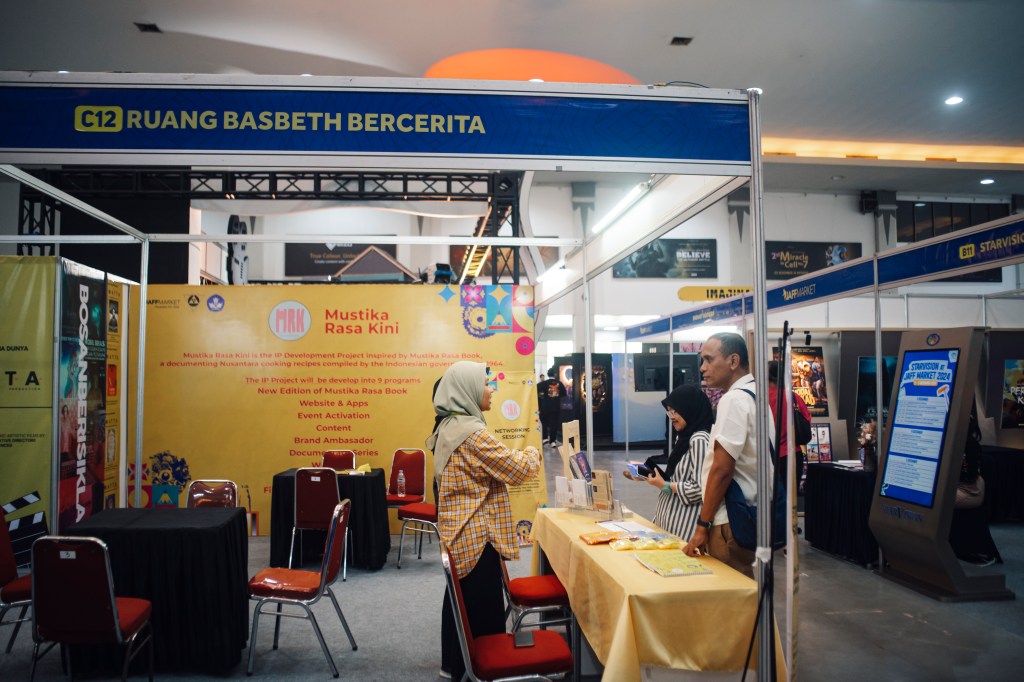
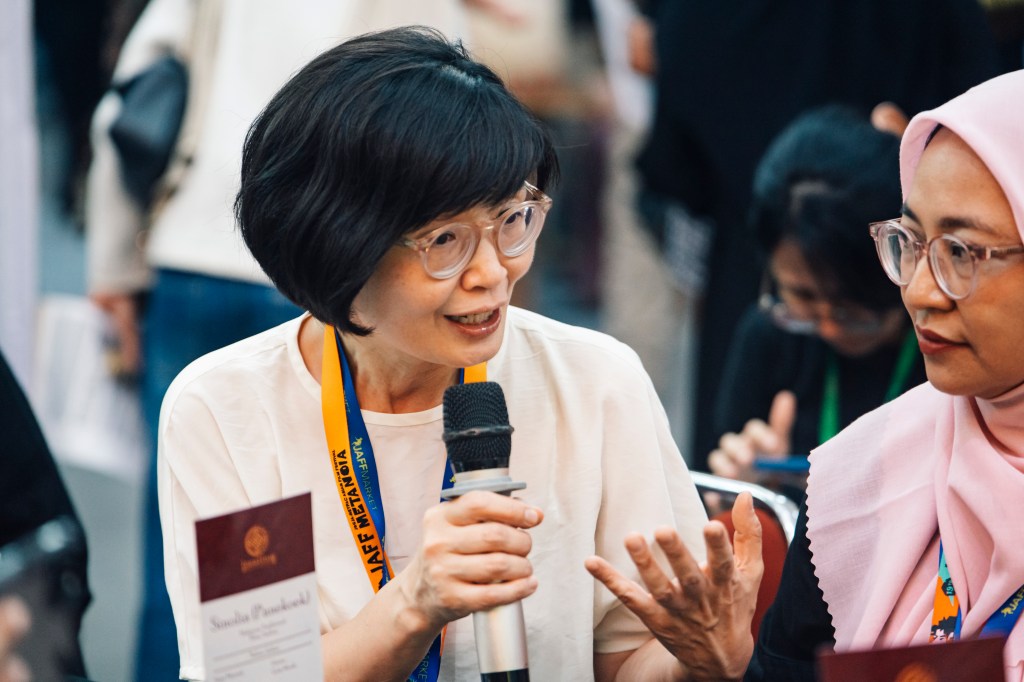
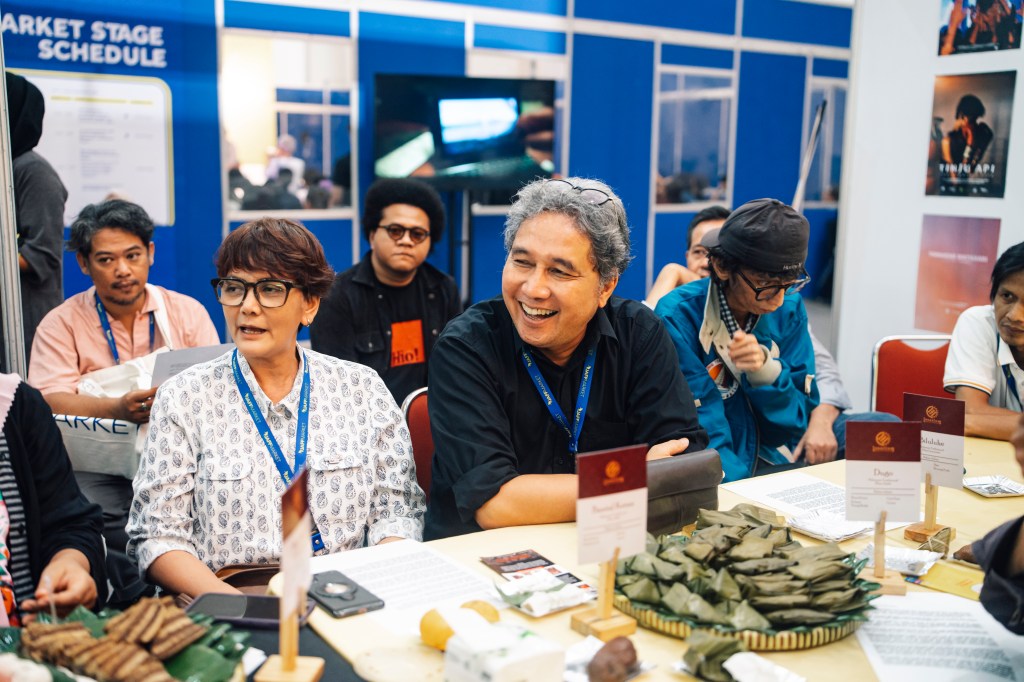
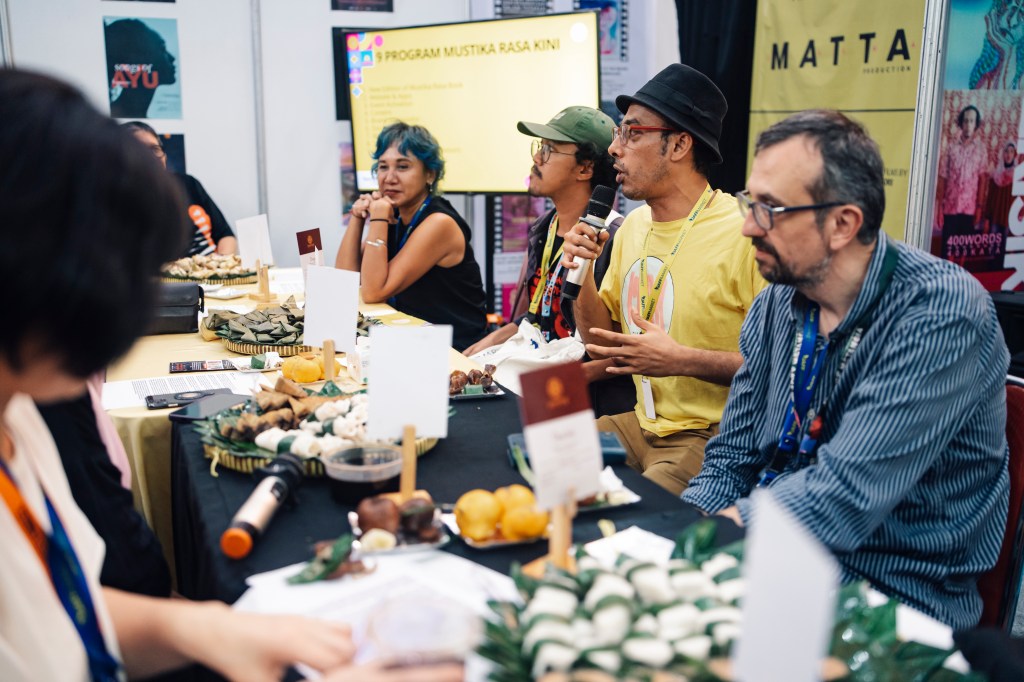
Networking Session JAFF Market at Jogja Expo Center
December 3rd-5th 2024
 Ruang Basbeth Bercerita